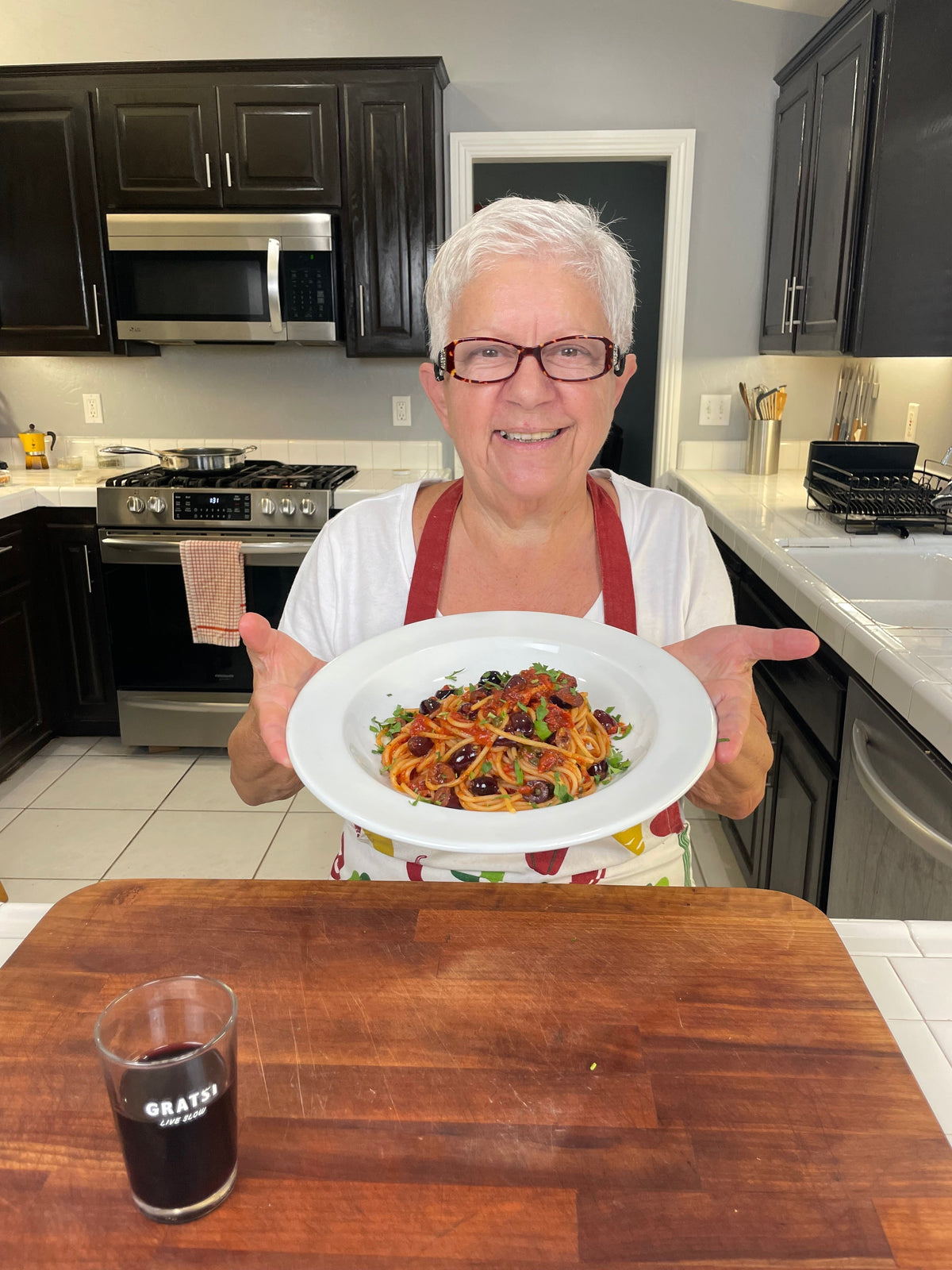
Briny Bites & Bold History: The Neapolitan Roots of Spaghetti alla Puttanesca
Few dishes encapsulate the vibrant spirit and resourcefulness of Italian cooking quite like
spaghetti alla puttanesca. This iconic pasta, with its striking name and unforgettable flavour profile, is a true testament to how simple pantry staples can be transformed into a culinary masterpiece. Hailing from the sun-drenched regions of Southern Italy, particularly Campania – the home of Naples – and Lazio, this dish is celebrated for its speed, intense savouriness, and a backstory as colourful as its ingredients. It's the kind of meal that banishes hunger in mere minutes, making it a perfect choice for a weeknight dinner, an impromptu gathering, or even a relaxed date night at home.
The magic of spaghetti alla puttanesca lies in its bold combination of briny olives, pungent capers, rich tomatoes, and the deep umami of anchovies. These ingredients, often found readily available in any Italian kitchen (and increasingly, in pantries worldwide), come together to create a sauce that’s both rustic and refined, delivering an explosion of Mediterranean flavours with every forkful. But beyond its undeniable deliciousness, it's the intriguing etymology of its name that truly sets this classic apart.
Decoding the Scandalous Name: The Origins of "Puttanesca"
The name "Puttanesca" itself is perhaps the most famous and debated aspect of this beloved dish. Literally translating to “spaghetti in the style of a whore,” it immediately sparks curiosity and often elicits a chuckle. While provocative, the origins behind this moniker are intertwined with popular folklore and culinary ingenuity. For a deeper dive into its fascinating history, consider
Decoding Puttanesca: The Simple Pantry Pasta with a Scandalous Name.
One prevalent theory suggests that the name doesn't refer to brothels directly, but rather stems from the Italian word "puttanata," which describes something of little value or a "mess." This interpretation posits that the dish earned its name because it was incredibly simple to prepare, often cobbled together from common, inexpensive ingredients – essentially "whatever mess" was available in the pantry. It was a no-fuss meal, perfect for when time or resources were scarce.
However, the more evocative and widely circulated tales link the dish directly to the "working girls" of Naples. One popular narrative suggests that the strong, alluring aromas of garlic, olives, and capers wafting from the kitchens of Neapolitan brothels were used to entice potential clients from the streets. Another charming, albeit apocryphal, story claims that the ladies of the night themselves would quickly whip up this simple pasta between appointments, needing a fast, flavourful, and satisfying meal that required minimal effort and readily available ingredients.
Regardless of which story holds the most historical truth, the name "puttanesca" certainly adds a layer of mystique and charm to an already delicious dish. It reflects a time when Italian cuisine was often born out of necessity and creativity, transforming humble ingredients into something truly extraordinary.
A Symphony of Savory Pantry Staples: The Core Ingredients
The beauty of
spaghetti alla puttanesca lies in its reliance on a handful of powerful, flavour-packed ingredients. Each plays a crucial role in building the sauce's characteristic depth and complexity:
- Tomatoes: The heart of the sauce, tomatoes provide natural sweetness, acidity, and body. For an authentic and superior flavour, many Italian cooks swear by high-quality tinned tomatoes, especially San Marzano tomatoes, known for their balanced sweetness and low acidity. If using fresh tomatoes, ensure they are ripe, juicy, and peeled for a smoother, more refined sauce.
- Anchovies: Don't let these little fish deter you! Anchovy fillets, particularly those packed in oil, are perhaps the most misunderstood ingredient in puttanesca. They don't make the sauce taste "fishy" but instead dissolve almost completely into the hot olive oil, lending an irreplaceable savoury richness and deep umami that elevates all the other flavours. They provide a foundational saltiness and depth that no other ingredient can quite replicate.
- Black Olives: Delivering a quintessential briny bite and a slight bitterness, black olives are essential. Varieties like Kalamata or Gaeta olives are excellent choices, offering firm flesh and a robust, rounded taste that contrasts beautifully with the sweetness of the tomatoes and the tang of the capers. Ensure they are pitted for ease of eating.
- Capers: These small, pickled flower buds add a distinct sharpness and a pleasant, saline tang that cuts through the richness of the sauce. Small capers, known as *capperi piccolissimi*, often have a more delicate texture and a perfectly balanced saltiness, providing that vital zing.
- Garlic and Chilli Flakes: While not always explicitly listed as "key ingredients," these aromatics form the crucial flavour base. Sautéed garlic provides a warm, pungent foundation, while chilli flakes (or *peperoncino*) introduce a gentle heat that awakens the palate and adds a characteristic Southern Italian kick.
More Than Just a Meal: The Cultural Significance of Puttanesca
Beyond its ingredients and spicy name,
spaghetti alla puttanesca holds a special place in Italian culinary culture. It embodies the spirit of a "spaghettata" – a cherished Italian tradition of a quick, informal meal, often featuring spaghetti, spontaneously prepared for unexpected guests or a late-night craving. This dish is perfectly suited for such occasions because it’s not only lightning-fast but also incredibly satisfying and almost universally well-received.
Its widespread fame across Italy, particularly in its regions of origin, speaks to its enduring appeal. It's a robust and satisfying dish, primarily vegetarian in its bulk ingredients, with anchovies adding a distinctive umami that melts into the sauce. This makes it broadly appealing, and for those who prefer, the anchovies can be omitted, although it will alter the depth of flavour.
Creating the perfect bowl of spaghetti alla puttanesca is surprisingly straightforward, but a few key techniques can elevate it from good to unforgettable:
- Quality Matters: Since there are so few ingredients, the quality of each is paramount. Invest in good extra virgin olive oil, high-quality tinned tomatoes (San Marzano are highly recommended), and flavourful olives and capers.
- The Anchovy Dissolve: When starting the sauce, gently sauté the anchovy fillets with garlic and chilli flakes in olive oil. Use a wooden spoon to break up the anchovies as they cook until they virtually dissolve into the oil, infusing it with their savoury essence without leaving any overtly "fishy" taste or texture. Be careful not to burn the garlic, as this will impart a bitter flavour to the sauce.
- Sauce Simmer: Once the tomatoes, olives, and capers are added, allow the sauce to simmer gently over low heat for 10-15 minutes. This brief cooking time is sufficient for the flavours to meld beautifully without overcooking the delicate ingredients.
- Al Dente Perfection: Cook your spaghetti until it's very *al dente* – about a minute or two less than the package instructions. Drain it, reserving some of the pasta water, and then transfer it directly into the simmering sauce.
- Finish in the Sauce: This is a crucial Italian technique. Finish cooking the spaghetti directly in the puttanesca sauce for the last minute or two. This allows the pasta to absorb the sauce's incredible flavours and thickens the sauce slightly with the pasta's starches. Add a splash of reserved pasta water if needed to achieve a glossy, well-emulsified consistency.
- Final Touches: Before serving, a drizzle of good quality extra virgin olive oil and a sprinkle of fresh, chopped parsley can add brightness and a beautiful finish. While some prefer grated Pecorino Romano or Parmesan, many purists skip cheese to let the intense flavours of the sauce shine through unobstructed.
Conclusion
From its humble pantry origins to its evocative, often-debated name,
spaghetti alla puttanesca is more than just a quick meal; it's a vibrant slice of Italian culinary history. It embodies the ingenuity of Southern Italian cooking, transforming simple, bold ingredients into a complex and utterly satisfying dish. Whether you're drawn to its lightning-fast preparation, its intensely savoury flavour, or its colourful tales, this Neapolitan classic is a must-try for any pasta lover. So, gather your pantry staples, embrace the rich history, and prepare to be enchanted by the briny bites and bold flavours of spaghetti alla puttanesca.